





Overcoming Drug Addiction: How To Start Your Recovery Journey
Overcoming drug addiction is one of the most challenging and courageous steps a person can take. Addiction is a complex condition that affects the brain, body, and relationships—but recovery is absolutely possible with the right support and treatment. Millions of people across the United States are living proof that lasting change is within reach.
For adults in Orange County and Southern California, Cornerstone of Southern California has been a trusted resource for more than 40 years. With individualized, evidence-based care and a deep commitment to long-term recovery, Cornerstone supports individuals and families through every stage of the healing process. Explore the full range of drug addiction treatment programs available to begin building a foundation for lasting recovery.
Understanding Drug Addiction and Its Effects
Drug addiction, also called substance use disorder (SUD), is a chronic brain condition characterized by compulsive drug use despite harmful consequences. According to the National Institute on Drug Abuse (NIDA), addiction changes the brain's structure and function, making it difficult to stop without professional help.
Drug addiction affects people of all ages, backgrounds, and income levels. It is recognized as a medical condition, not a moral failure. Seeking help for addiction is a brave and responsible act.
How Drug Addiction Develops Over Time
Addiction rarely happens overnight. It typically begins with voluntary use, then progresses to dependence as the brain adapts to the presence of the substance. Over time, a person may need more of the drug to feel the same effect, a process known as physical tolerance.
Risk factors that can accelerate this process include:
- Genetics and family history of addiction
- Early exposure to substances
- Untreated mental health conditions
- Chronic stress or trauma
The Impact of Drug Addiction on Individuals, Families, and Relationships
Drug addiction does not only affect the person using substances. It creates ripple effects that reach family members, close friends, and entire communities. Relationships often suffer due to broken trust, financial strain, and emotional instability.
Children in households affected by addiction face higher risks of trauma and behavioral challenges. Addressing addiction through professional treatment helps restore not just the individual, but the family system as a whole.
Recognizing the Signs of Drug Addiction
Identifying the signs of addiction early can make a significant difference in outcomes. The sooner someone seeks help, the better the chances of a successful recovery.
Common Physical and Behavioral Signs of Drug Addiction
Physical and behavioral changes are often the first visible indicators of a substance use problem. These signs may appear gradually and may be dismissed as stress or fatigue.
Common signs include:
- Sudden changes in weight or appetite
- Bloodshot eyes or changes in pupil size
- Neglecting responsibilities at work, school, or home
- Withdrawing from family and friends
- Engaging in secretive or risky behavior
- Continued use despite negative consequences
Mental Health, Co-Occurring Disorders, and Addiction
Many individuals struggling with addiction also live with a co-occurring mental health disorder like anxiety or PTSD. This is known as a dual diagnosis. According to the National Institute of Mental Health, roughly half of people with a substance use disorder also experience a mental health condition. When both conditions go untreated, each one can worsen the other. Integrated treatment that addresses both addiction and mental health simultaneously leads to significantly better outcomes.
Preparing to Overcome Drug Addiction Successfully

Preparation is a powerful part of the recovery process. Taking time to reflect, plan, and set expectations can make the transition into treatment smoother and more sustainable.
Finding Your Reasons to Overcome Drug Addiction
Personal motivation is one of the strongest drivers of lasting recovery. Identifying specific, meaningful reasons to change (such as rebuilding family relationships or improving health) creates a foundation for commitment. Writing down these reasons and revisiting them during difficult moments can help maintain focus throughout the recovery journey.
Preparing for Change and Setting Realistic Recovery Expectations
Recovery is not a linear process. There will be progress, setbacks, and moments of doubt. Setting realistic expectations from the start helps individuals stay committed even when the path feels difficult. Understanding that recovery is a lifelong journey (not just a temporary program) allows people to approach treatment with patience and self-compassion rather than pressure.
Identifying Obstacles and Planning for a Successful Recovery
Common obstacles to recovery include social environments that involve substance use, lack of transportation, financial concerns, and fear of stigma. Identifying these barriers before entering treatment allows individuals and their care teams to plan around them. Practical steps, such as arranging childcare or verifying insurance coverage, reduce the friction of getting started.
Setting Yourself Up for Success in Drug Addiction Recovery
Building the right conditions for recovery increases the likelihood of long-term success. Small, intentional changes in one’s personal environment and support systems can make a significant difference.
Setting SMART Goals for Overcoming Drug Addiction
SMART goals are Specific, Measurable, Achievable, Relevant, and Time-bound. Applying this framework to recovery helps individuals stay focused and track meaningful progress.
Examples of SMART recovery goals include:
- Attending all scheduled treatment sessions for the next 30 days
- Identifying two sober support contacts within the first week of treatment
- Completing a 90-day outpatient program by a specific date
Creating a Supportive Environment for Recovery
The physical environment plays a significant role in recovery. Removing substances from the home, avoiding places associated with past drug use, and creating calm, structured spaces all support the healing process. Surrounding oneself with people who respect and encourage sobriety is equally important. A stable, supportive environment reduces exposure to triggers and reinforces healthy habits.
Asking for Support from Family, Friends, and Community
Recovery is not meant to be faced alone. Reaching out to trusted family members, friends, or community groups provides emotional reinforcement and accountability. Many people find that simply naming their struggle to someone they trust is a powerful first step. Support groups, faith communities, and peer recovery networks are all valuable resources that complement professional treatment.
Types of Drug Addiction Treatment Options
There is no single path to recovery. A range of evidence-based treatment options exists to meet individuals where they are and address their unique needs. Exploring available addiction treatment programs helps individuals and families make informed decisions.
Inpatient vs. Outpatient Drug Addiction Treatment Programs
Inpatient treatment (also known as residential treatment) provides 24-hour care in a structured environment, making it ideal for individuals with severe addiction or unsupportive home situations. Outpatient programs, including Partial Hospitalization Programs (PHP) and Intensive Outpatient Programs (IOP), offer flexibility for those who need to maintain work or family responsibilities. Both levels of care can be highly effective when matched to the individual's clinical needs and life circumstances.
Medication-Assisted Treatment (MAT) for Drug Addiction
Medication-Assisted Treatment (MAT) combines FDA-approved medications with counseling and behavioral therapies to treat substance use disorders. MAT helps to reduce cravings, manages withdrawal symptoms, and supports long-term recovery when used as part of a comprehensive treatment plan.
Dual Diagnosis: Treating Addiction and Mental Health Together
For individuals with co-occurring disorders, integrated dual-diagnosis treatment is essential. Treating addiction without addressing underlying mental health conditions significantly increases the risk of relapse. Cornerstone of Southern California offers specialized mental health and addiction treatment services designed to treat the whole person. Dual-diagnosis treatment may include individual therapy, psychiatric support, trauma-informed approaches, and medication management alongside addiction treatment.
What to Expect During Drug Addiction Treatment at Cornerstone of Southern California
Cornerstone of Southern California provides individualized, compassionate care rooted in more than 40 years of clinical experience. Every client receives a personalized treatment plan designed around their specific history, strengths, and goals.
Individualized Treatment Planning for Drug Addiction Recovery
No two recovery journeys are the same. At Cornerstone, each individual undergoes a thorough assessment to identify the appropriate level of care, co-occurring conditions, and personal goals. Treatment plans are regularly reviewed and adjusted as progress is made. This individualized approach ensures that care remains relevant, effective, and aligned with each person's evolving needs throughout their recovery.
Family Involvement and Support During Treatment
Family involvement is a core component of effective addiction treatment. Cornerstone actively encourages family participation through education, therapy, and open communication. When families understand addiction and learn healthy ways to support their loved one, outcomes improve for everyone involved. Family therapy sessions help repair trust, improve communication, and prepare the entire household for life after treatment.
Long-Term Recovery Support and Alumni Programs
Recovery does not end at discharge. Cornerstone's alumni network and continuing care programs provide ongoing connection, accountability, and community for individuals after completing treatment. Long-term support reduces the risk of relapse and reinforces the skills developed during treatment. The commitment at Cornerstone is clear: support continues well beyond the final day of a formal program.
When to Seek Professional Help for Drug Addiction
Knowing when to reach out for professional help is a critical turning point. Delaying treatment often allows addiction to deepen and consequences to grow.
Professional treatment is needed when drug use has become compulsive, when attempts to stop have failed, or when physical and mental health are deteriorating. Other indicators include legal problems, job loss, or strained family relationships caused by substance use. These are not signs of weakness. They are signs that the brain and body need clinical support to heal.
How to Reach Out for Support and Begin Treatment
Taking the first step is often the hardest part. Reaching out to a treatment center by phone or through an online contact form is a simple, confidential way to begin. Admissions teams at Cornerstone are trained to guide individuals and families through the process with compassion and clarity. You do not need to have everything figured out before making that first call.
Get Support for Drug Addiction at Cornerstone of Southern California

Cornerstone of Southern California is committed to helping individuals and families find their way through addiction and co-occurring mental health challenges. With more than 40 years of experience, a compassionate clinical team, and programs designed for diverse needs, Cornerstone provides the individualized care that lasting recovery requires.
Whether someone is taking their first step toward overcoming drug addiction or returning after a setback, we can help. Contact Cornerstone of Southern California today to learn more about treatment options and begin the journey toward a healthier, more fulfilling life.
Frequently Asked Questions About Overcoming Drug Addiction
What are the first steps to overcoming drug addiction?
The first steps to overcoming drug addiction are acknowledging the problem, identifying personal reasons for change, and contacting a professional treatment provider. A clinical assessment will then help determine the most appropriate level of care based on individual needs.
How long does drug addiction treatment take?
Treatment length varies depending on the severity of addiction, co-occurring conditions, and individual progress. Programs may range from 30-day residential stays to several months of outpatient care, with ongoing support continuing well beyond formal treatment.
What if I have a co-occurring mental health condition in addition to drug addiction?
Co-occurring disorders are common among people who seek treatment for addiction. Cornerstone offers integrated dual-diagnosis treatment that addresses both addiction and mental health conditions simultaneously, leading to more sustainable long-term recovery outcomes.
Is drug addiction treatment at Cornerstone of Southern California covered by insurance?
Many insurance plans cover addiction treatment services. Our team at Cornerstone can verify insurance benefits and discuss available payment options during the initial consultation at no obligation.
What happens after completing a drug addiction treatment program?
After completing treatment, clients have access to alumni programs, continuing care planning, and community support resources. Long-term recovery support is a core part of Cornerstone's commitment to every client.
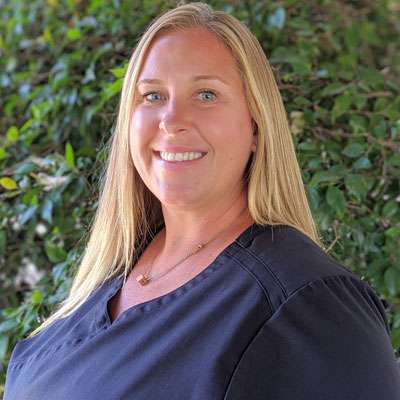
Danielle Graniello is a healthcare professional from Orange County, California, with more than 14 years of experience supporting patients and families across medical, treatment, and mental health settings. She spent nine years working with individuals affected by traumatic brain injuries and spinal cord injuries, developing a strong foundation in compassionate care, patient support, and complex healthcare needs.