





The Top 10 Drugs and Their Effects: What You Need to Know
Understanding the top 10 drugs and how they affect the body is a critical first step toward recognizing addiction and seeking help. Drug use impacts millions of Americans each year, including those right here in Southern California. Whether someone is personally struggling or watching a loved one suffer, having clear and accurate information can make a real difference.
Substance use disorders are complex, but recovery is possible with the right support. Cornerstone of Southern California has spent more than 40 years helping adults and families navigate addiction and co-occurring mental health conditions. Exploring drug addiction treatment options is a meaningful first step toward lasting change.
Understanding Drug Use and Its Impact on Health and Well-Being
Drug use affects far more than the individual using substances. It touches families, workplaces, and entire communities. Understanding the broader impact helps explain why early intervention and professional treatment matter so much.
What Makes a Drug Dangerous?
A drug's danger is determined by several factors, including its addiction potential, how it affects the brain, and the risk of overdose. Other key risk factors include:
- How the drug is taken (injected, smoked, snorted, or swallowed)
- Whether it is mixed with other substances
- The individual's mental health history and genetics
- Frequency and amount of use
The Impact of Substance Abuse
Substance use disorders affect every part of a person's life, from physical health to relationships and financial stability. Families often experience stress, broken trust, and emotional exhaustion when a loved one is struggling with addiction. At the community level, drug use contributes to increased healthcare costs, lost workplace productivity, and higher rates of crime and homelessness.
The Role of Co-Occurring Mental Health Disorders in Drug Use
Many people who struggle with addiction also live with mental health conditions like depression, anxiety, or PTSD. This combination is known as a dual diagnosis. When mental health disorders go untreated, individuals may turn to substances as a way to cope. Treating both conditions simultaneously is essential for lasting recovery.
The Top 10 Drugs: Risks, Effects, and Dangers
The following top 10 drugs represent the substances most commonly associated with misuse, addiction, and serious health consequences. Each carries its own set of risks and warning signs.
Alcohol
Alcohol is the most widely used and misused substance in the United States. Long-term heavy drinking and alcohol addiction can lead to liver disease, heart problems, neurological damage, and a significantly increased risk of certain cancers.
Fentanyl
Fentanyl is a synthetic opioid that is 50 to 100 times more potent than morphine. Even a trace amount can cause a fatal overdose, and illicitly manufactured fentanyl is now found in many street drugs, making every use potentially deadly..
Methamphetamine
Methamphetamine (meth) causes a rapid release of dopamine in the brain, producing intense euphoria followed by a severe crash. Long-term use leads to significant cognitive impairment, dental decay, skin sores, and serious mental health issues including psychosis. Meth use has been rising in Southern California, making it one of the most pressing substance use concerns in the region.
Cocaine
Cocaine (powdered and other forms) produces a short but intense high that drives repeated use and rapid addiction. It places enormous strain on the cardiovascular system, increasing the risk of heart attack and stroke even in young, otherwise healthy individuals. Crack cocaine, a more potent and smokable form, carries an even higher risk of addiction and overdose.
Heroin
Heroin (injected and otherwise) is a highly addictive opioid that creates physical dependence quickly. Withdrawal symptoms are intensely uncomfortable and can begin within hours of the last dose. Injection drug use also carries serious risks that include HIV, hepatitis C, and life-threatening infections.
Nicotine
Nicotine is known to be very addictive, and tobacco use remains a leading cause of preventable death in the United States. Using it causes cancer, heart disease, stroke, and chronic lung disease. While nicotine may not carry the same immediate overdose risk as other substances, its long-term health consequences are severe and well-documented.
Benzodiazepines
Benzodiazepines (benzos) such as Xanax, Valium, and Klonopin are prescribed for anxiety and sleep disorders but carry a high risk of dependence when misused. Withdrawal from benzodiazepines can be medically dangerous and should always be managed by a healthcare professional. Combining benzodiazepines with alcohol or opioids dramatically increases the risk of fatal overdose.
Ketamine
Ketamine is a dissociative anesthetic used medically in controlled settings, but it is also misused recreationally for its hallucinogenic effects. Regular misuse can lead to bladder damage, memory problems, and psychological dependence.
Hallucinogens
Hallucinogens such as LSD, psilocybin, and PCP alter perception, mood, and thought in unpredictable ways. While some hallucinogens carry a lower risk of physical dependence, they can trigger severe psychological distress — particularly in individuals with underlying mental health conditions like schizophrenia. Hallucinogen persisting perception disorder (HPPD) is a documented condition where visual disturbances continue long after drug use has stopped.
Inhalants
Inhalants include household chemicals such as glue, paint thinner, and aerosol sprays that are inhaled to produce a brief high. They are particularly dangerous because they can cause sudden sniffing death, a fatal cardiac event that can occur even on the first use. Long-term inhalant use causes lasting damage to the brain, liver, and kidneys.
What Makes These Drugs So Dangerous?
Beyond the individual risks of each substance, several shared factors make the top 10 drugs especially harmful. Understanding these patterns helps explain why professional treatment is so often necessary.
Addiction Potential and Physical Dependence Explained
Many of these substances alter brain chemistry in ways that make stopping extremely difficult without help. Physical dependence means the body adapts to the presence of the drug, and withdrawal symptoms emerge when use stops. Psychological dependence (including intense cravings and emotional reliance on the substance) can persist long after the body has physically detoxed.
Mental Health Impacts and Dual Diagnosis Risks
Substance use and mental health conditions frequently occur together, and many of the drugs on this list can have particularly negative mental health. Untreated mental health conditions can also significantly increase the risk of relapse. Addressing both conditions simultaneously through mental health treatment is the most effective path to lasting recovery.
Recognizing the Signs of Drug Addiction and When to Seek Help

Recognizing addiction early can save lives. Many people minimize or rationalize their substance use, making outside awareness from family and friends especially important.
Common signs that someone may be struggling with addiction include:
- Sudden changes in weight or appearance
- Bloodshot eyes or changes in pupil size
- Neglecting responsibilities at work, school, or home
- Withdrawing from family and friends
- Secretive behavior or unexplained financial problems
- Mood swings, irritability, or unusual energy levels
If substance use is causing problems in any area of life, seeking professional help right away is the right decision. Waiting for someone to "hit rock bottom" is not necessary and can be dangerous. Professional treatment provides the medical support, therapy, and structure needed to address addiction safely and effectively.
What to Expect During Treatment at Cornerstone of Southern California
Cornerstone of Southern California offers a full continuum of care for adults struggling with addiction and co-occurring mental health conditions. Every treatment plan is built around the individual's unique history, strengths, and goals.
Individualized Care Plans for Drug Addiction Recovery
No two people experience addiction the same way, and treatment should reflect that. At Cornerstone, clinical assessments guide the development of personalized care plans that address substance use, mental health, trauma, and life skills. Levels of care include residential treatment, partial hospitalization (PHP), intensive outpatient (IOP), and outpatient services.
Inclusive Support for LGBTQIA+ and All Adults
Cornerstone of Southern California is committed to providing inclusive, affirming care for LGBTQIA+ individuals and all adults seeking help. A safe and welcoming environment is essential for honest engagement in treatment. Every person who walks through the doors is treated with dignity, respect, and individualized treatment.
Get Support for Mental Health and Addiction at Cornerstone of Southern California
Recovery is a lifelong journey, not a 30-day destination. Cornerstone's approach combines clinical expertise with genuine compassion, addressing addiction and mental health together for whole-person healing. Our team at Cornerstone understands that asking for help takes courage, and every step toward treatment is met with support, not judgment.
Whether someone is just beginning to consider treatment or returning after a relapse, help is available.
Recovery is never out of reach, and you can contact us today at Cornerstone to learn how to begin.
Frequently Asked Questions About the Top 10 Drugs and Treatment
How Can I Tell If a Loved One Needs Help With Drug Addiction?
Warning signs of dangerous drug abuse include changes in behavior, appearance, and daily functioning, as well as withdrawal from family and friends. If substance use is causing problems at home, work, or school, it is time to explore professional treatment options.
What Are the Best Treatment Options for Dual Diagnosis?
Integrated treatment that addresses both addiction and mental health simultaneously is the most effective approach. This includes addiction therapy, medication management when appropriate, and ongoing support after treatment ends.
How Does Family Involvement Improve Addiction Recovery Outcomes?
Research consistently shows that family participation in treatment improves communication, reduces enabling behaviors, and increases the likelihood of long-term sobriety. Families who engage in treatment alongside their loved one build stronger, healthier relationships that support lasting recovery.
How Do I Get Started With Addiction Treatment at Cornerstone?
Getting started is as simple as reaching out to our team by phone or through the website. The team will walk through insurance verification, program options, and next steps to make the process as straightforward as possible.
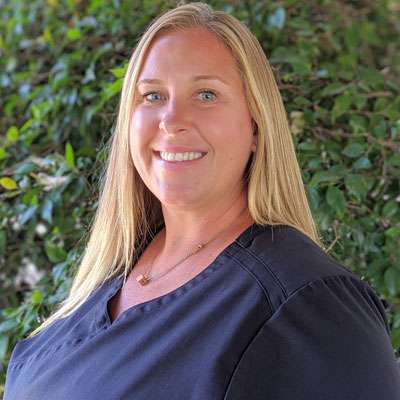
Danielle Graniello is a healthcare professional from Orange County, California, with more than 14 years of experience supporting patients and families across medical, treatment, and mental health settings. She spent nine years working with individuals affected by traumatic brain injuries and spinal cord injuries, developing a strong foundation in compassionate care, patient support, and complex healthcare needs.