Drug Addiction Treatment in Orange County, CA
Addiction can reach into every part of life: health, work, relationships, finances, and a person's sense of who they are. Taking the step toward help is a powerful beginning, and it doesn't have to happen alone.
Cornerstone of Southern California provides personalized drug addiction treatment in Santa Ana, California, for adults across Orange County and the wider region, with care built around each person's story rather than a one-size-fits-all program.
For more than 40 years, Cornerstone has supported clients and their families through every stage of recovery, from the first conversation with admissions through aftercare and alumni support.
In Network With:
















Substances Treated at Cornerstone of Southern California
Cornerstone of Southern California's drug addiction treatment programs address dependence on a wide range of substances, including:
● Alcohol
● Prescription opioids and painkillers
● Fentanyl
● Heroin
● Ketamine
● Cannabis
● Multiple substance use disorders
Many people who reach out are using more than one substance, or are living with anxiety, depression, trauma, or another mental health condition alongside their substance use. Cornerstone's clinical team treats both together, because addressing one while ignoring the other rarely leads to lasting recovery.
Cornerstone is in-network with most major insurance providers. Verify your insurance to check your coverage before treatment begins.
Review of Cornerstone's Rehab & Addiction Treatment Programs
Why Choose Cornerstone for Drug Addiction Treatment in California?
Cornerstone of Southern California was founded in 1984 by Dr. Michael Stone, whose work in addiction medicine dates back to 1969. Dr. Stone was an early advocate for treating the whole person (mind, body, and spirit), and that philosophy still shapes every program today. What began as a response to the gaps he saw in how hospitals and insurers handled addiction has grown into one of Southern California's most established family-owned treatment programs, now in its fifth decade.
Cornerstone is licensed by California's Department of Health Care Services (DHCS) and accredited by The Joint Commission, meeting recognized standards for clinical quality and patient safety. Cornerstone's website also holds LegitScript certification, reflecting the same commitment to transparency online.
What sets Cornerstone's approach apart:

● Personal and professional insight. Many team members bring their own recovery experience alongside clinical training, which shapes care that is both skilled and deeply compassionate.
● Dual diagnosis care. Substance use disorders are treated together with co-occurring conditions like anxiety, depression, PTSD, and bipolar disorder.
● Evidence-based and holistic methods. Proven therapies are paired with practices like mindfulness to support physical, emotional, and spiritual healing.
● A focus on the long term. Care continues well beyond the first weeks, with step-down programs, sober living, and alumni support that help recovery hold.
● Family at the center. Loved ones are involved throughout treatment, not left on the sidelines.
Learn more about Cornerstone's mission, vision, and values.
Addiction rarely looks the same from one person to the next, and Cornerstone builds its programs around that reality. The program is LGBTQIA2+-friendly, offers medication-assisted treatment options, including buprenorphine and naltrexone-based therapies, for clients who need them, and runs an Alternative Sentencing program for individuals referred to treatment through the court system. Family involvement is a consistent thread throughout care. Cornerstone's Free Family Program and Alumni App keep loved ones connected and informed, and family therapy sessions are built into both PHP and IOP so that healing reaches the people supporting the person in treatment, too. Cornerstone is in-network with most major insurance providers and offers flexible payment options for clients whose plans don't cover the full cost of care. The admissions team can verify specific benefits and any out-of-pocket costs before treatment begins, so financial questions are answered early instead of becoming a surprise later. You can verify your insurance online or review the full list of accepted insurance providers. The Substance Abuse and Mental Health Services Administration (SAMHSA) also publishes guidance on finding quality treatment, and Cornerstone's admissions team is happy to walk through those questions with anyone comparing programs. Cornerstone's admissions team is available 24/7/365, and every conversation is confidential. If you or a loved one are in immediate crisis, the 988 Suicide and Crisis Lifeline offers free, confidential support around the clock. Ready to talk about treatment options? Contact Cornerstone's admissions team to get started. Yes. Cornerstone is licensed by the California Department of Health Care Services and accredited by The Joint Commission. Its website also holds LegitScript certification. Drug addiction is a chronic condition in which a person develops a physical or psychological dependence on a substance, to the point that stopping feels difficult or impossible even when use is causing real harm. There is rarely a single cause. Genetics, environment, untreated mental health conditions, and unresolved trauma or stress can each play a role, often in combination. Cornerstone's clinical team considers all of these factors when building a treatment plan. Addiction counselors help clients understand the root causes of their substance use, build coping strategies, and develop healthier habits. They provide one-on-one guidance, lead group sessions, and involve families to strengthen the support system around recovery. Sessions draw on evidence-based approaches such as Cognitive Behavioral Therapy (CBT), Dialectical Behavior Therapy (DBT), and trauma-informed care, alongside holistic practices like mindfulness. Triggers are the situations, emotions, or environments that increase the urge to use. Common examples include stress, certain social settings, places tied to past use, and emotional strain such as anxiety, depression, or loneliness. Cornerstone helps each client identify personal triggers and build a relapse prevention plan to manage them. Addiction looks different from person to person, but common signs include: ● Needing more of a substance over time to feel its effects ● Growing preoccupation with obtaining and using it ● Hiding or minimizing how much or how often it's used ● Financial strain tied to spending on drugs ● Cravings that affect mood or focus ● Using substances to cope with stress, anxiety, or depression ● Continuing to use despite knowing the harm it's causing ● Withdrawal symptoms when use stops or slows Choose a time when the person is sober, learn what you can about addiction and treatment options beforehand, and consider working with a professional interventionist if the situation calls for it. During the conversation, stay honest and compassionate rather than confrontational. Acknowledge how their substance use has affected you, make clear the goal is support rather than judgment, and be ready to act if they're open to help. Groups like Al-Anon can also support your own well-being through the process. Reaching out is often the hardest part, and it's normal to feel overwhelmed. Be honest with the people closest to you and with Cornerstone's admissions team about your substance use, and step back from the people, places, or situations that tend to trigger it. Cornerstone's specialists are available 24/7/365, no matter how long it's been since your last use, and can help coordinate a safe, medically supervised start to treatment. Each program combines evidence-based therapy, compassionate support, and a structured environment to help clients rebuild their lives and achieve lasting sobriety. Reach out to Cornerstone's admissions team to take the first step.Steps to Recovery at Cornerstone of Southern California
Specialized Support for Every Person and Family
Insurance and Paying for Drug Addiction Treatment
Drug Addiction Treatment FAQs
Drug Addiction Treatment Across Southern California

We're here any time of the day to talk
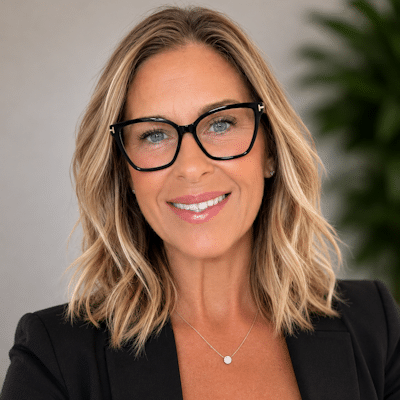
Danielle Graniello is a healthcare professional from Orange County, California, with more than 14 years of experience supporting patients and families across medical, treatment, and mental health settings. She spent nine years working with individuals affected by traumatic brain injuries and spinal cord injuries, developing a strong foundation in compassionate care, patient support, and complex healthcare needs.