
Alcohol Rehab in Orange County, CA
Alcohol rehab in Orange County involves more than getting through withdrawal. Alcohol use disorder changes the brain's stress and reward systems, and those changes do not reverse the moment a person stops drinking. Lasting recovery depends on treating them alongside the mental health conditions, family strain, and daily pressures that surround them, which is why effective programs pair medical oversight with therapy, family involvement, and a plan for what happens after treatment ends.
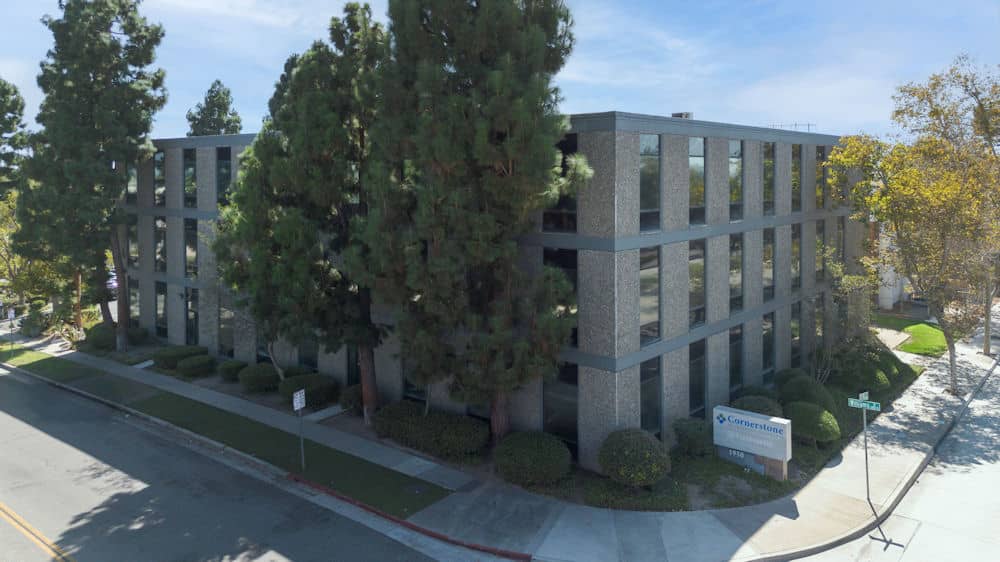
Cornerstone of Southern California has provided alcohol and drug treatment in Orange County since 1984. The program serves adults and families seeking professional help for alcohol addiction, including those living with co-occurring mental health conditions, and care is matched to the person rather than to a fixed timeline. Treatment can begin at any level of intensity across the full range of treatment programs at Cornerstone.
In Network With:


















When Does Drinking Become Alcohol Use Disorder?
Alcohol use disorder is a medical condition, not a failure of willpower. It is diagnosed when drinking becomes difficult to control, continues despite clear harm, and takes priority over other parts of life. It ranges from mild to severe, and that severity is what guides which level of care makes sense.
Common signs include:
● Drinking more, or for longer, than intended
● Needing more alcohol to feel the same effect
● Strong cravings or urges to drink
● Shaking, sweating, nausea, or anxiety when not drinking
● Continuing to drink despite problems at work, at home, or with health
It is far more common than the number of people in treatment suggests. The National Institute on Alcohol Abuse and Alcoholism reported that in 2024, 2.1 million adults in the United States had alcohol use disorder, and roughly 7.6% of them received any alcohol use treatment that year.
What Clients Say About Alcohol Rehab at Cornerstone
Does Alcohol Withdrawal Require Medical Oversight?
Yes, alcohol withdrawal does typically require medical oversight. Alcohol withdrawal is not like withdrawal from most other substances, because it can become life-threatening quickly. Stopping suddenly after heavy, sustained drinking can trigger seizures or a severe complication called alcohol withdrawal delirium, historically known as delirium tremens.
Withdrawal typically follows this timeline:
- Early symptoms such as tremor, sweating, anxiety, and trouble sleeping can begin within hours of the last drink and usually peak around 72 hours.
- Withdrawal seizures most often occur between 8 and 48 hours after the last drink.
- Alcohol withdrawal delirium can begin anywhere from 3 to 8 days after the last drink.
The risk is manageable when clinicians are watching for it. Cornerstone provides short-term conventional detox on site through incidental medical services and coordinates placement at a detox facility when someone needs a more intensive level of withdrawal management first. Either way, the assessment comes before anything else, and nobody should try to stop drinking alone at home.
Levels of Care for Alcohol Rehab in Orange County
There is no single correct length or intensity for alcohol treatment. The right starting point depends on how severe the drinking has been, whether withdrawal is a medical concern, which mental health conditions are present, and what support exists at home. Most people step down through levels of care as they stabilize.
Inpatient treatment provides a structured, substance-free residential setting with clinical staff available around the clock. It suits people who need distance from the environment where their drinking happened, who have relapsed after outpatient care, or whose physical health needs monitoring in early recovery.
A partial hospitalization program delivers a full day of clinical programming while allowing clients to return home in the evening. It is often the step down from residential care, and it is also a reasonable starting point for someone with a stable home who still needs daily structure.
An intensive outpatient program keeps therapy, group work, and accountability in place while a person returns to work, school, or family responsibilities. Evening programming and virtual options exist for people who cannot step away from a job. It also lets people practice recovery skills in the environment where they will actually need them.
Relapse risk does not end when a program does. Extended care bridges structured treatment and independent life through continued group work, life skills, family lectures, and relapse prevention. Transitional housing, aftercare planning, drug testing, and an active alumni community keep support in place well past discharge.
Therapies Used in Alcohol Addiction Treatment
Medication and structure create stability; therapy is where the underlying work happens. Treatment at Cornerstone draws on approaches with evidence behind them, matched to what a person is actually dealing with rather than applied uniformly.
Therapies we use include:
● Cognitive behavioral therapy: For the thoughts and situations that lead to drinking
● Dialectical behavior therapy: For emotional regulation and distress tolerance
● Eye movement desensitization and reprocessing: For trauma underlying or following addiction
● Individual and group therapy: For personal work and peer accountability
● Relapse prevention and life skills: For warning signs, cravings, and rebuilding daily routines
● 12-step involvement and peer support groups: For people who want a recovery community
● Holistic programming: Takes place alongside clinical care rather than in place of it
What Medications Are Used for Alcohol Use Disorder?
Three medications are approved by the U.S. Food and Drug Administration to treat alcohol use disorder: naltrexone, acamprosate, and disulfiram. Naltrexone blocks the receptors involved in alcohol's rewarding effects and can be started while a person is still drinking. Acamprosate eases the restlessness and sleep problems that follow early abstinence, and disulfiram causes an unpleasant physical reaction if a person drinks.
Medication-assisted treatment at Cornerstone includes naltrexone, and a prescriber decides whether it fits based on drinking history, medical conditions, and other medications. It is one part of a plan, never the whole of it.
Treating Alcohol Addiction Alongside Mental Health
Anxiety, depression, PTSD, and bipolar disorder frequently co-exist with a drinking problem, and treating one without the other tends to leave people cycling between them. Integrated treatment addresses both at once, with the therapy team and the prescriber working from the same plan.
Dual-diagnosis treatment matters most for people who have already been through treatment and returned to drinking. Very often the missing piece was an untreated mental health condition rather than a lack of effort.
Does Cornerstone Offer Specialized Programs?
People arrive at alcohol treatment from different circumstances, and a program that ignores those circumstances tends to lose them. Cornerstone runs tracks designed around who someone is and what they are managing outside of treatment.
These specialized tracks include:
● Separate women's and men's programs
● Family program nights
● Virtual programs
● Alternative sentencing and drug court support for court-involved clients, including DUI-related treatment
Are Families Involved in Alcohol Treatment?
Alcohol addiction is rarely contained to one person. Partners and family members absorb the financial strain, the broken plans, and the fear, and they often arrive carrying years of their own exhaustion. Involving them can change outcomes, because the home a person returns to is where recovery either holds or does not.
Cornerstone runs a weekly family support group for family members and concerned persons, plus a family connection group that pairs clinical education with a process group alongside the patient. Family and couples therapy is available throughout treatment, and families may keep attending the support group indefinitely, even after their loved one has finished the program. For families who cannot get a loved one to agree to treatment at all, an interventionist can help structure that conversation.
Starting Treatment at Cornerstone
The first step is an assessment. Cornerstone offers a free alcohol addiction assessment covering drinking history, physical health, mental health, prior treatment, and what a person wants out of recovery. A secondary evaluation with a psychiatrist follows, so medical and psychiatric needs shape the plan from the beginning rather than surfacing later.
The assessment produces a recommended level of care and an honest picture of what treatment would involve. No obligation is attached, and the conversation itself is often the point at which a family finally has language for what has been happening.
Paying for Alcohol Rehab in Orange County
Cost is one of the first questions families ask, and it can be answered before anyone commits to anything. Cornerstone works with most major insurance plans, including Aetna, Anthem Blue Cross, and Blue Shield of California.
For people without coverage that fits, sliding scale rates, payment assistance, and private pay options are available, so an insurance gap does not have to end the conversation. Cornerstone does not currently work with Medicare or Medicaid and can refer people covered by those programs to facilities that accept them. Verify insurance benefits for a clear answer on coverage, out-of-pocket cost, and which level of care a plan will authorize.
Accreditation, Licensing, and 40 Years in Orange County
Cornerstone is accredited by The Joint Commission, licensed by the California Department of Health Care Services, and certified by LegitScript. These are independent reviews of clinical quality, regulatory compliance, and legitimacy, and demonstrate Cornerstone’s dedication to excellence.
Our program was founded in Santa Ana in 1984 by Michael Stone, MD, and has operated continuously for more than 40 years. Cornerstone serves adults and families throughout Orange County, including Huntington Beach, Newport Beach, Irvine, Anaheim, and the surrounding communities.
Start Alcohol Rehab in Orange County Today
Alcohol use disorder is treatable, and the evidence behind treatment is strong at every level of care. The hardest part is usually the first call, not the treatment that follows it. Cornerstone of Southern California is committed to serving individuals and families seeking professional help for alcohol and drug addiction, including those with co-occurring mental health conditions. Contact the admissions team to schedule a free assessment, verify insurance, or talk through options for someone you love.
Frequently Asked Questions About Alcohol Rehab in Orange County
There is no fixed length. Residential stays are commonly measured in weeks, and outpatient care often continues for months afterward. What matters more than the number of days is whether a person steps down through levels of care rather than stopping abruptly. Cornerstone sets length of stay from clinical progress, instead of a preset timeline.
People who have been drinking heavily and/or for a long time face a real risk of seizures or alcohol withdrawal delirium, both of which need medical care. An assessment determines whether someone needs monitored withdrawal before starting a treatment program, and Cornerstone provides short-term conventional detox, or can coordinate a higher level of withdrawal management when necessary.
Most major plans cover some portion of alcohol treatment, but the amount and the approved level of care differ by plan. Cornerstone works with most major insurers and can verify benefits before admission, including for out-of-network participants.
Yes, depending on the level of care. Intensive outpatient, evening, and virtual programming are designed for people holding jobs or caring for family. Residential and day treatment require stepping back, which is sometimes the necessary trade in early recovery.
Continuing care is what determines whether recovery holds. This usually means ongoing therapy, a step down through outpatient programming, extended care or transitional housing (where appropriate), and family support. A peer community via an alumni program can be invaluable.

We're here any time of the day to talk

Danielle Graniello is a healthcare professional from Orange County, California, with more than 14 years of experience supporting patients and families across medical, treatment, and mental health settings. She spent nine years working with individuals affected by traumatic brain injuries and spinal cord injuries, developing a strong foundation in compassionate care, patient support, and complex healthcare needs.